You are the founder of Voie de l’Acte. This path is based on various practices, including Shamanism. Find out more here! What is Shamanism ?
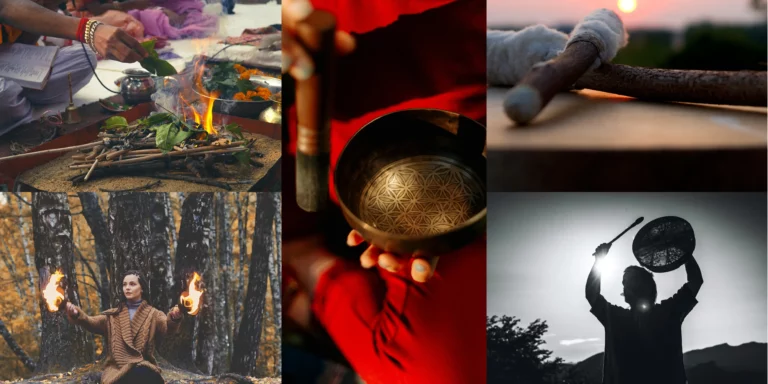
Arnaud Riou describes shamanism as one of the oldest spiritual traditions, alongside animism, dating back some 80,000 years and present on all five continents. It encompasses various practices such as the use of medicinal plants, trance and sweat lodges. Celtic Druidism is a form of Celtic shamanism.
What is shamanism for?
Shamanism aims to restore balance between the visible and invisible worlds, and between different dimensions and forms of life (humans, animals, plants, minerals, spirits). Shamans act as mediators to harmonise these fragile balances. They are the intermediaries between the spirits and humans.
In practical terms, what does a shaman do?
Shamans practise divination, regulation, protection and healing to restore the links between the spirit world and humans. They are chosen by their communities to look after them.
Who practices shamanism?
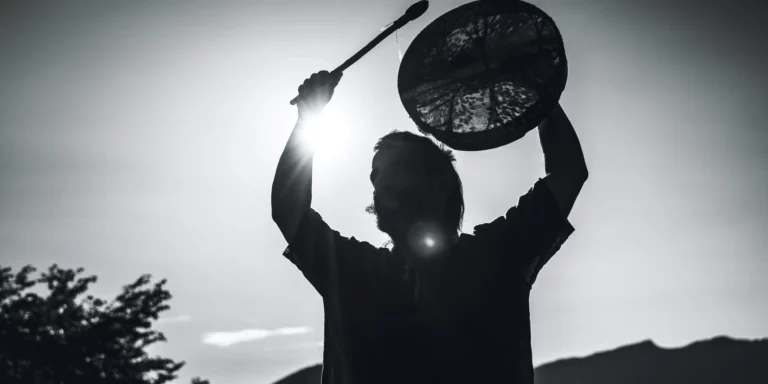
Traditionally, shamanism is practised by shamans. There are very few of them. The term ‘shaman’ is a generic term that comes from the Tungus people of Central Asia. It means ‘he who dances’, or in another interpretation, ‘he who possesses knowledge’. The term is all the more difficult to define because there are so many forms of shamanism. The shamanism practised today is often far removed from traditional shamanism. Depending on the culture, those who practise shamanism are called ‘pagés’ in Amazonia, ‘relayers’ in Mongolia, ‘medicine men’ or ‘sun dancers’ among the natives of America.
However, it is essential to make it clear that while we can all be interested in shamanism, this does not make us shamans, and there is no ethics in self-proclaiming oneself a shaman. It is others who recognise us as shamans, not us.
Yet today, many people want to be recognised as shamans in France. It's often a lack of recognition. These are just words that lock you in, whereas the shaman is learning to free himself. Just as we can all learn to take care of our health, that doesn't make us doctors. We can all go skiing, but that doesn't make us mountain guides. Practising shamanism doesn't make you a shaman, it makes you a shamanic practitioner.
How shamanism is practised ?
The practice aims to deconstruct rather than construct, to explore different states of consciousness other than intellectual awareness, to open up faculties, capacities and a deeper, more coherent knowledge of humanity and the spiritual laws that underpin it.
Is shamanism a religion?
In its definition, according to which a religion is ‘a determined set of beliefs and dogmas defining man's relationship with the sacred’, we could conclude that shamanism can join the various religions. However, there is absolutely nothing dogmatic about shamanism.
It is a spiritual path that involves experimentation. It does not aim to attract followers, and it is not directed by any hierarchy or centralised structure. Whereas religions invite us to draw on the history of a being who is at the origin of the religion, such as Jesus, Buddha or Mohammed, shamanism invites us to delve into our own experience, our own history. It is sometimes said that religions are for people who are afraid of hell, but shamanism is for people who come back from it.
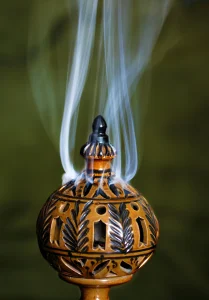
Shamanism and la Voie de l'Acte
Arnaud Riou has integrated shamanism la Voie de l’Acte, an approach to personal transformation that combines meditation, martial arts, drama and modern psychology. Her courses, which do not involve the use of plants or drugs, aim to help participants regain their emotional, energetic and spiritual autonomy.
Act 1: Revelation - Encounter with oneself, development of intuition and emotional and energetic autonomy.
Act 2: Transformation - Using tools to deprogram toxic beliefs and identify your deepest needs.
Act 3: Celebration - Discovering your personal legend and celebrating your work with your guides.
The courses are open to everyone, and you don't need to have any previous knowledge of shamanism. All you need is a desire to discover, an open heart and a sense of humour, because the depth of the themes covered is underpinned by lightness and humour. And that's Arnaud's trademark!
All the meetings dealing with shamanism can be consulted on the programme of the Hameau de l’Étoile.
Interview by Hameau de l'Étoile
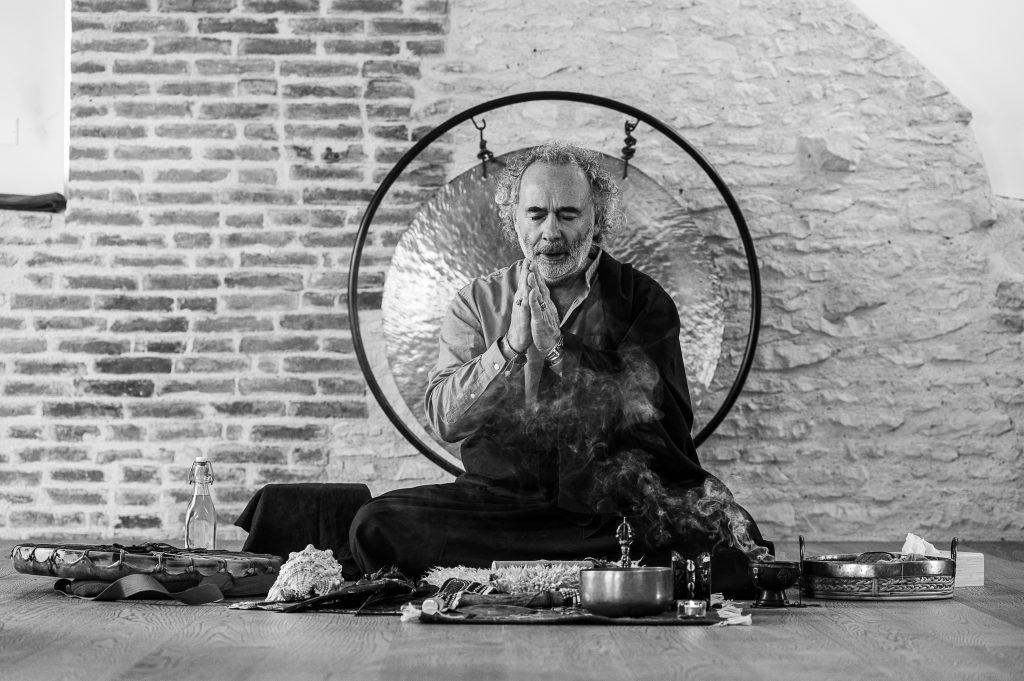
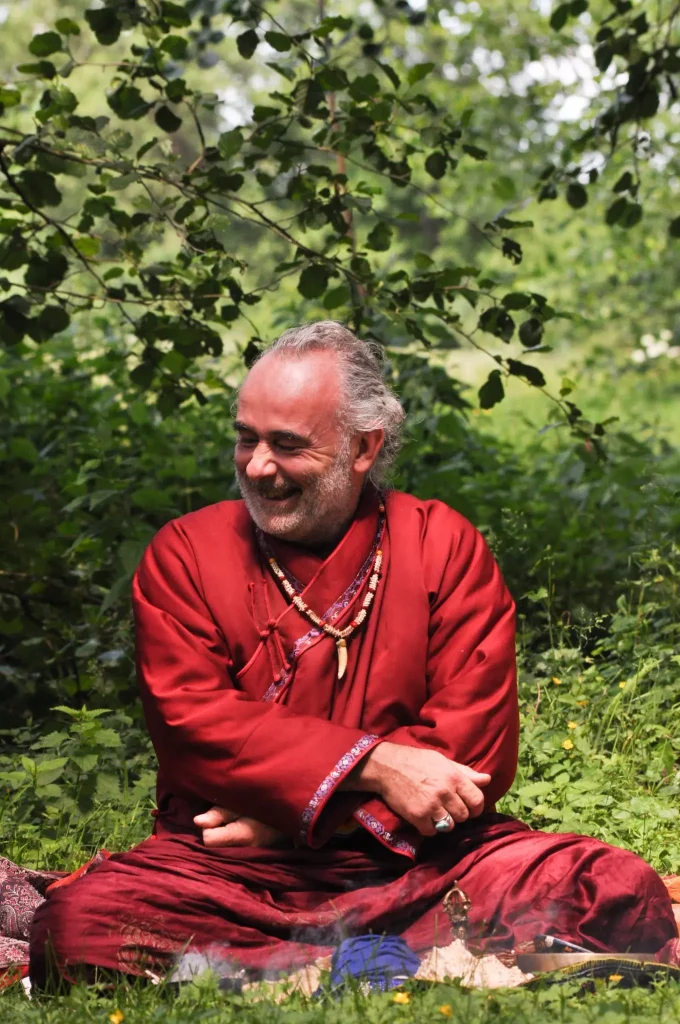
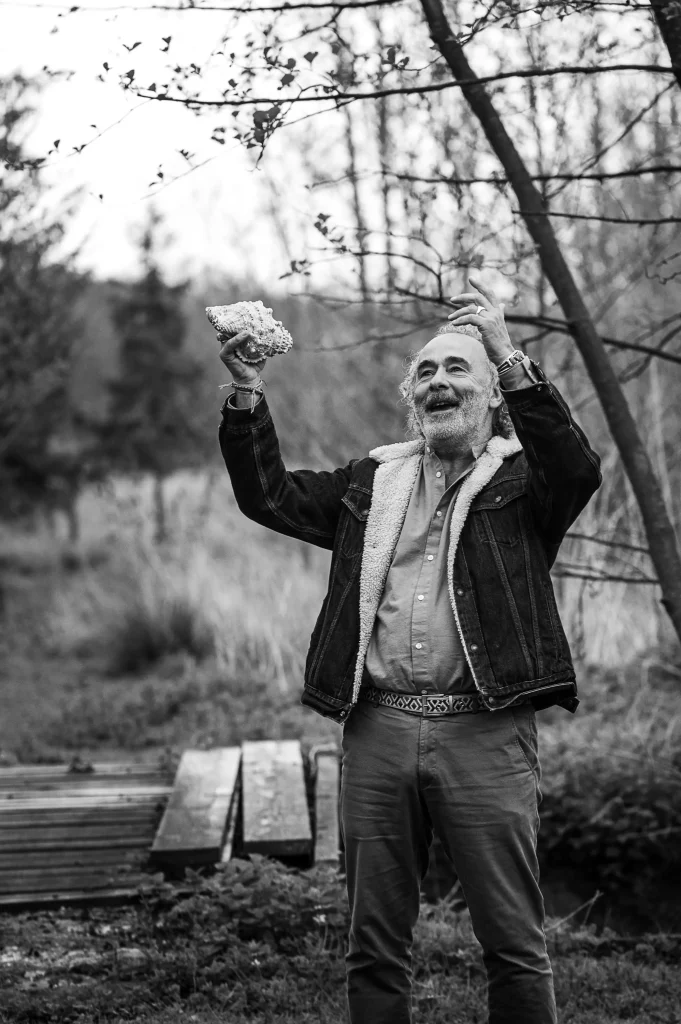
‘To experience the way of the shaman is to take a path of connection: connection with ourselves, to know and understand ourselves better, connection with others, connection with the environment’. Arnaud Riou
L’Écho des Étoiles avec Arnaud Riou sur Youtube et en Streaming.